

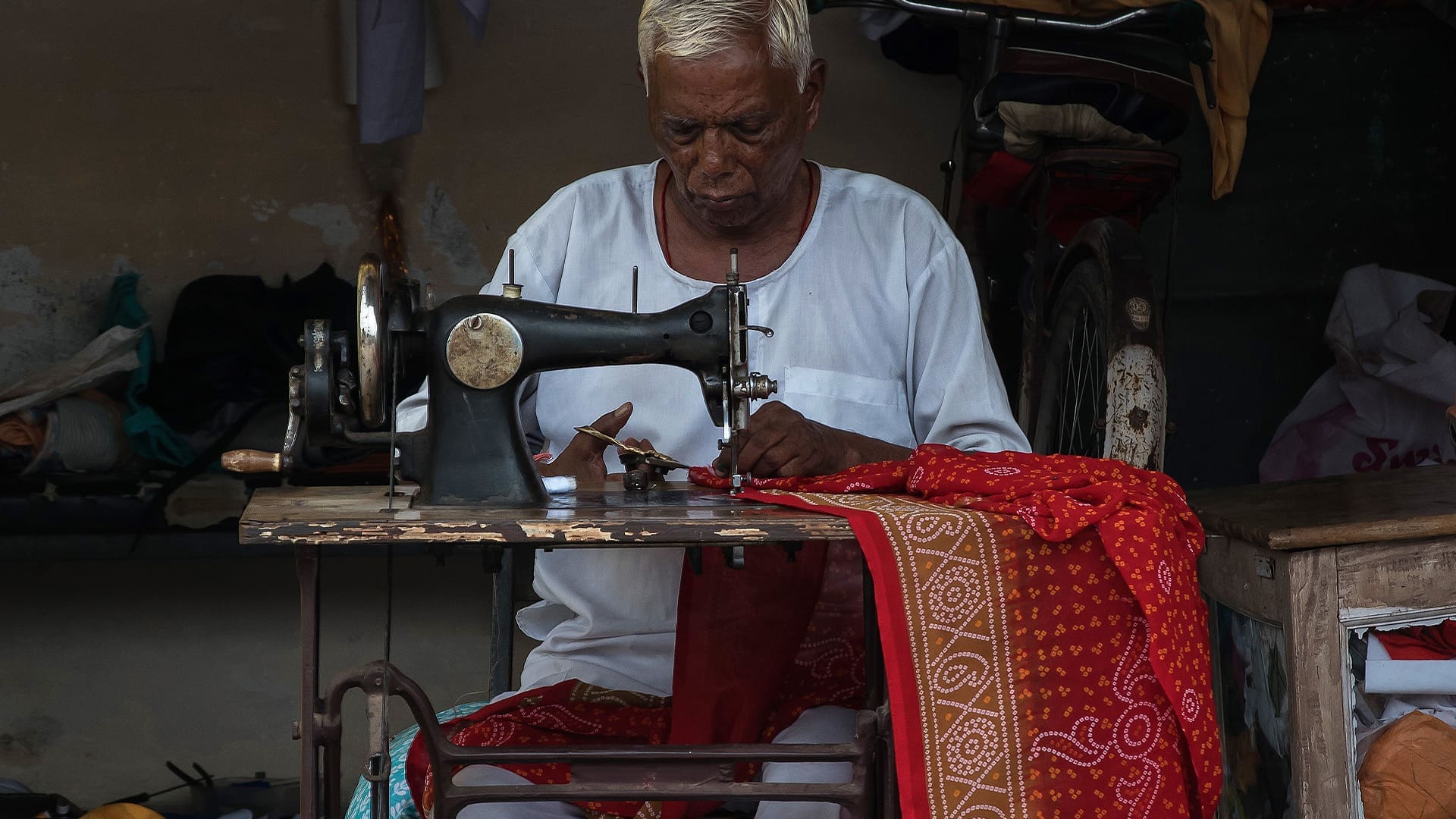
Until recently, microfinance was the darling of the international development sector. With its leveraged approach to reaching the poor, its philosophy to promote dignity to its clients, and its ability to at least break even, microfinance appealed to those across the political, social, and economic spectrum.
But when more than thirty microfinance clients committed suicide and high-profile microlenders were said to abuse clients’ rights in the region of Andhra Pradesh, India, the image of microfinance changed overnight. Instead of being the silver bullet for poverty, it became synonymous with exorbitant interest rates and questionable repayment practices. Although the scandal was limited to the region of Andhra Pradesh, the damage to microfinance’s image was worldwide.
While the scandal exposed the ugly underside of microfinance, around the world another trend is transforming the industry: a movement toward a client-centred approach to providing financial services.
It is this methodology—with an attitude focused on relationships between the loan officer and the client, equitable interest rates, and education for the poor—that is gaining momentum and meeting the needs of the poor worldwide. It’s just not making the headlines.
Saturated Market
With the growing popularity of microfinance, Andhra Pradesh attracted more than those interested in helping the poor. It appealed to the payday lenders, the loan sharks—anyone looking to make a quick buck. Through this influx of microlenders, the industry reached its saturation point.
Inundated by microfinance institutions (MFIs), Andhra Pradesh became a place where receiving credit was like buying bottled water—on practically every street, microlenders offered loans. Clients were taking microloans from multiple lenders and becoming overindebted.
Across the world, this isn’t the case. While the estimated demand for microfinance is over 3 billion, only 500 million individuals—less than 20 percent—are served, according to the Consultative Group to Assist the Poor (CGAP). And microfinance provides services in a niche that commercial banks cannot fill.
In the aftermath of Haiti’s recent earthquake, Haitians needed access to capital. While credit was frozen in the country, MFIs were the only financial institutions reaching the rural Haitians. Loan officers were willing to ride motorcycles to remote villages, providing services that others could not.
In a utopian society—where disaster and unrest would be minimized and commercial financial services accessible—microfinance would be rendered useless. Until that is achieved, microfinance is still a needed commodity. The situation in Andhra Pradesh is the aberration, not the worldwide norm.
Beyond Credit
To meet the global demand for microfinance, not only are practitioners beginning to look for ways to offer capital, but they are offering education alongside providing loans. Microfinance practitioners are recognizing that offering a loan isn’t enough. Various studies show that providing capital is helpful, but when that capital is supplemented with business education and savings, clients are successful in the long term.
What is helping HOPE’s program to flourish in India is biblically-based business training. Clients are led through a business curriculum teaching them how to open and manage a business. Not only providing fundamentals of business theory, the program also provides practical home-based manufacturing training, which teaches clients how to make hand bags, other handicrafts, and baked goods.
Besides business training, a client-focused approach also offers holistic services: healthcare, literacy training, and other community empowerment initiatives outside the realm of traditional microfinance.
Savings
Studies show that more than they need loans, the poor need to save. In regions without a stable economic infrastructure, individuals are forced to store money in the walls of their homes or under their beds, and so on. The need is so great that the poor will even pay to save, and local savings collectors charge high interest rates for this privilege.
Today, microfinanciers are catering to the poor’s need to save: Besides business classes, many microfinance organizations offer savings products along with the loans. Seeing this overwhelming trend toward savings, Melinda Gates pledged $500 million toward savings initiatives.
The importance of savings is evidenced through Savings and Credit Associations (SCAs). SCAs are reaching those who do not even have the ability to take out a microloan. SCA groups come together to save a predetermined amount each week, and then decide together to loan to group members from the savings generated. SCAs can also be a vehicle for other holistic services. HOPE India* partners with local churches to offer Bible studies and outreaches to youth and children.
Accountability
Leaders in the industry have recognized the need for accountability among MFIs to practice a client-focused approach. The Smart Campaign, initiated by Accion International, a leading microfinance organization, was created to protect the interests of clients by promoting healthy interest rates and relationships between clients and loan officers. Joined by hundreds of microfinance institutions and networks around the world, it is taking a stand against microfinanciers who extort their clients.
For Chuck Waterfield, an expert in the microfinance industry, accountability in the industry meant making interest rates transparent. He developed a website to inform the public of equitable interest rates in countries across the world. His website also tracks the interest rates of MFIs.
Looking Forward
As a whole, the sector is moving toward having an intentional client focus—an approach that promotes relationship between the loan officer and the client, provides business and leadership training, and values accountability. While the image of microfinance may have been marred for a time due to the recent scandal, the trend toward a client focus has strengthened the industry.
On a micro scale, the situation in Andhra Pradesh may appear bleak, but in neighbouring Maharashtra, this couldn’t be further from the truth. The poor are still gathering to save.
Savita Bhargule, HOPE India savings member, is saving a little over $2 a month—it’s not a huge amount, but it’s enough to pay for her daughter’s upcoming wedding and her husband’s medical expenses—enough to safeguard her family from unexpected emergencies.
Done right, microfinance won’t make headlines, but it will change lives.
* For security reasons, we will refer to the partner as “HOPE India.”