

More from this issue
-
Essay

-
The Welcome Table

-
Essay

-
Essay
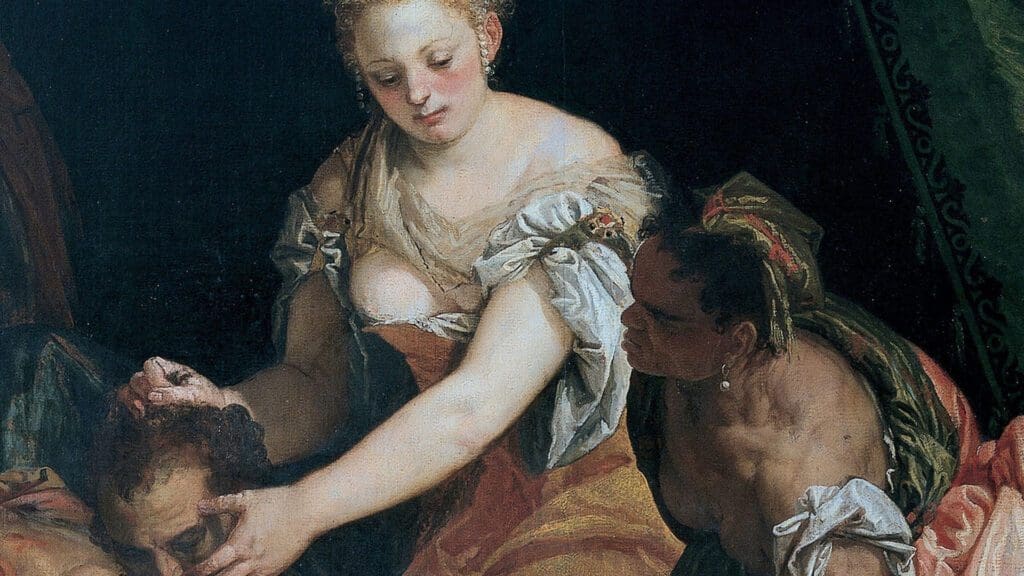
-
Essay
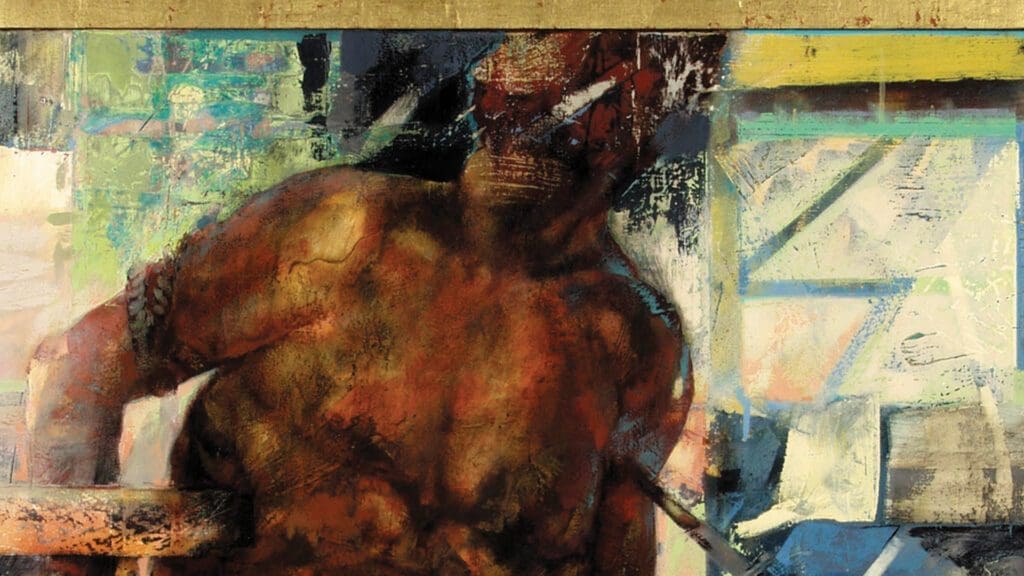
-
Essay

-
Essay
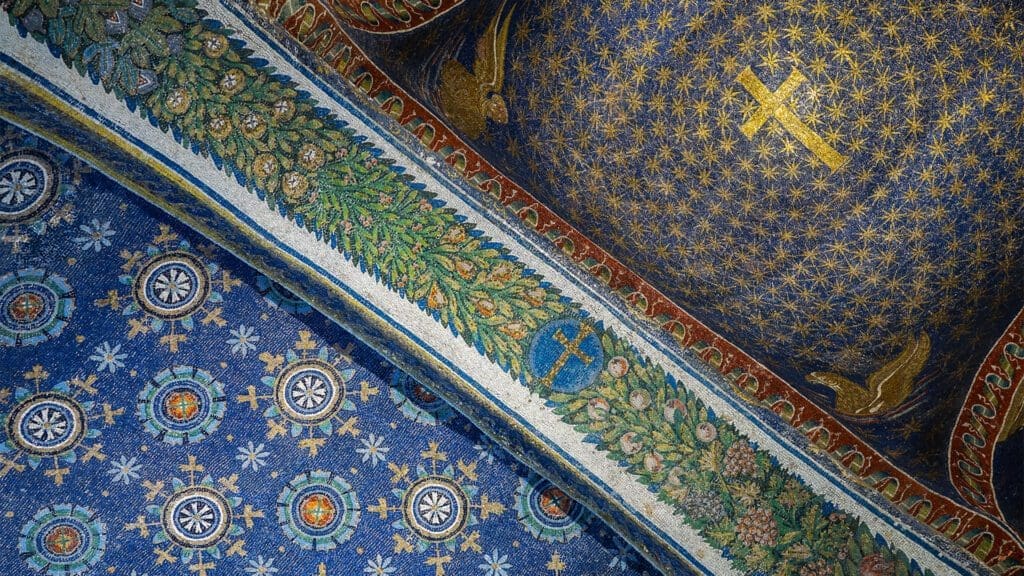
New from Comment
Featured
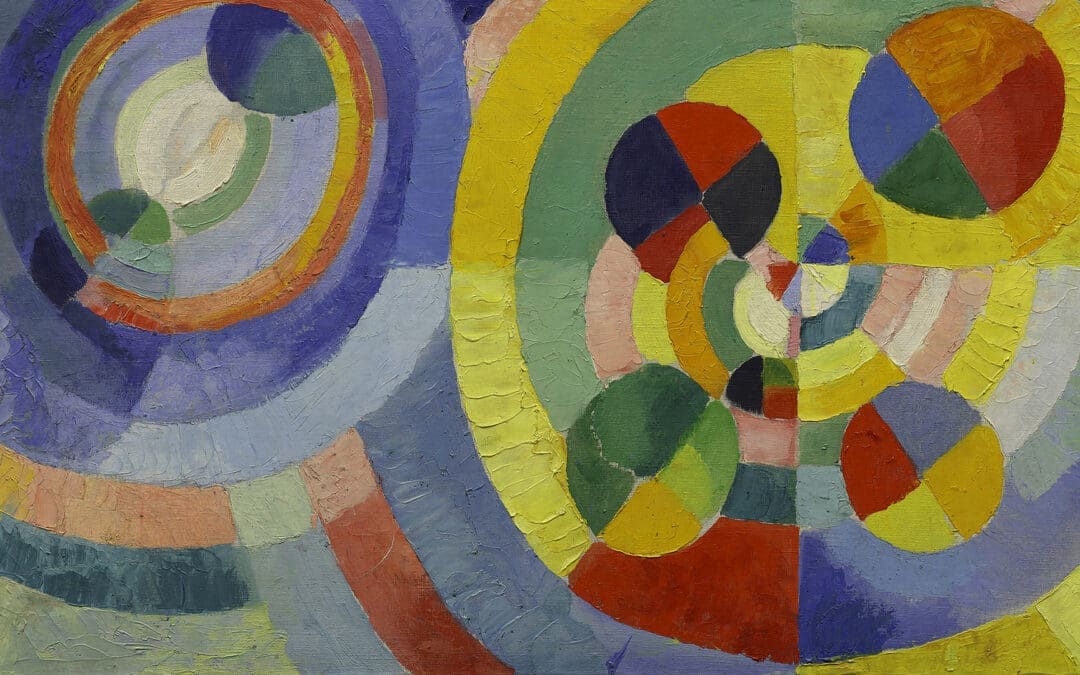
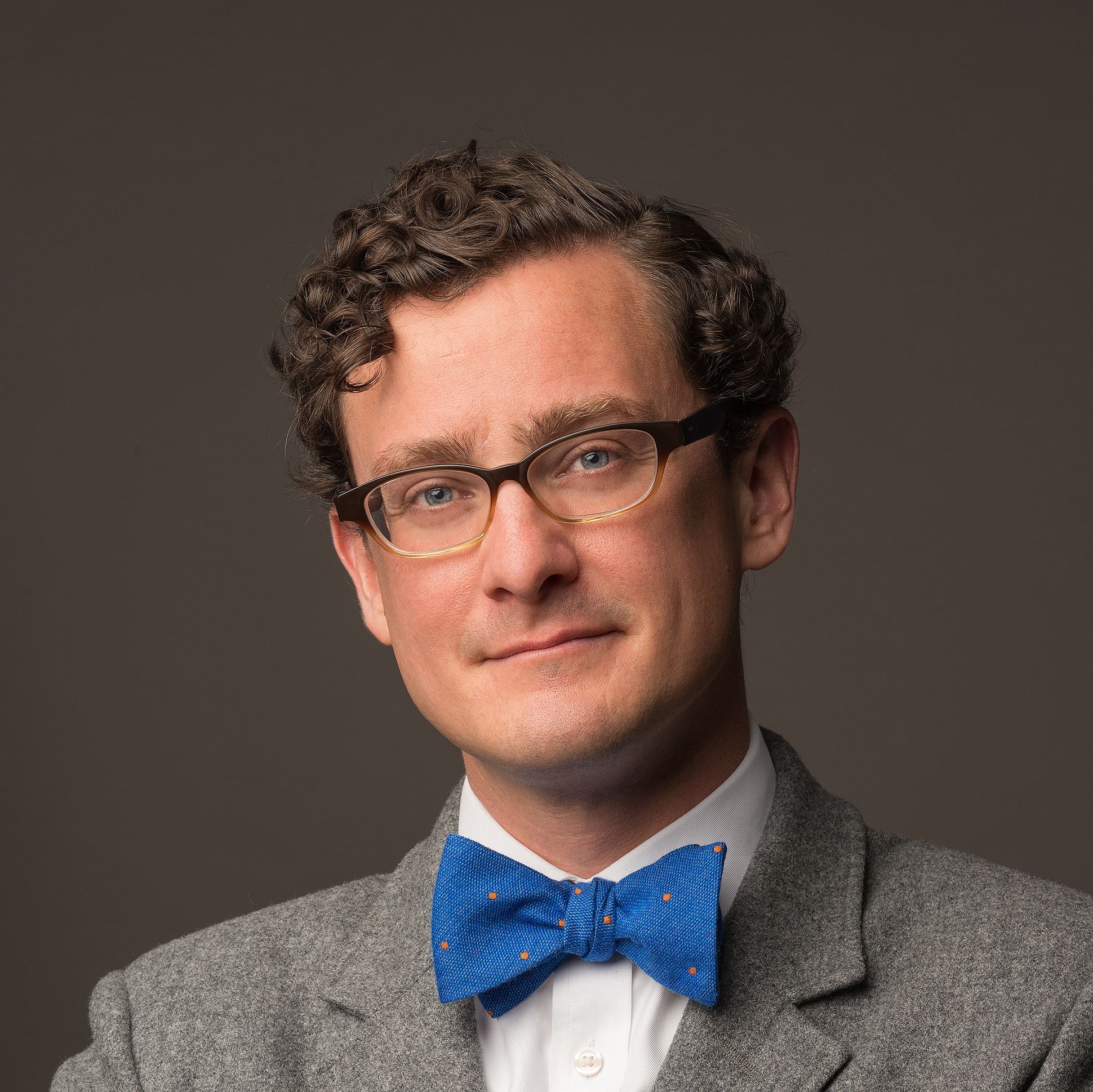
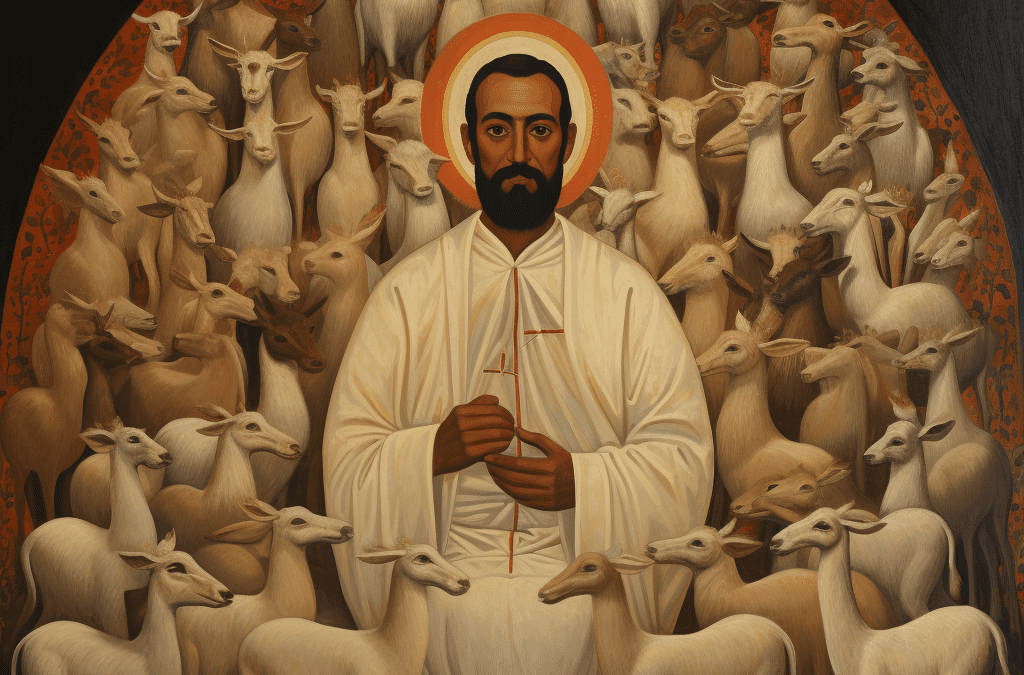
Picturing Aphou, a Lost African Mystic
Do Christian icons and artificial intelligence mix?
PODCASTS
How does Christian humanism express itself on the ground? Join Anne Snyder as she learns from a wide range of leaders who are embodying Comment’s way of thought, translating theory into practice.
ALL EPISODES

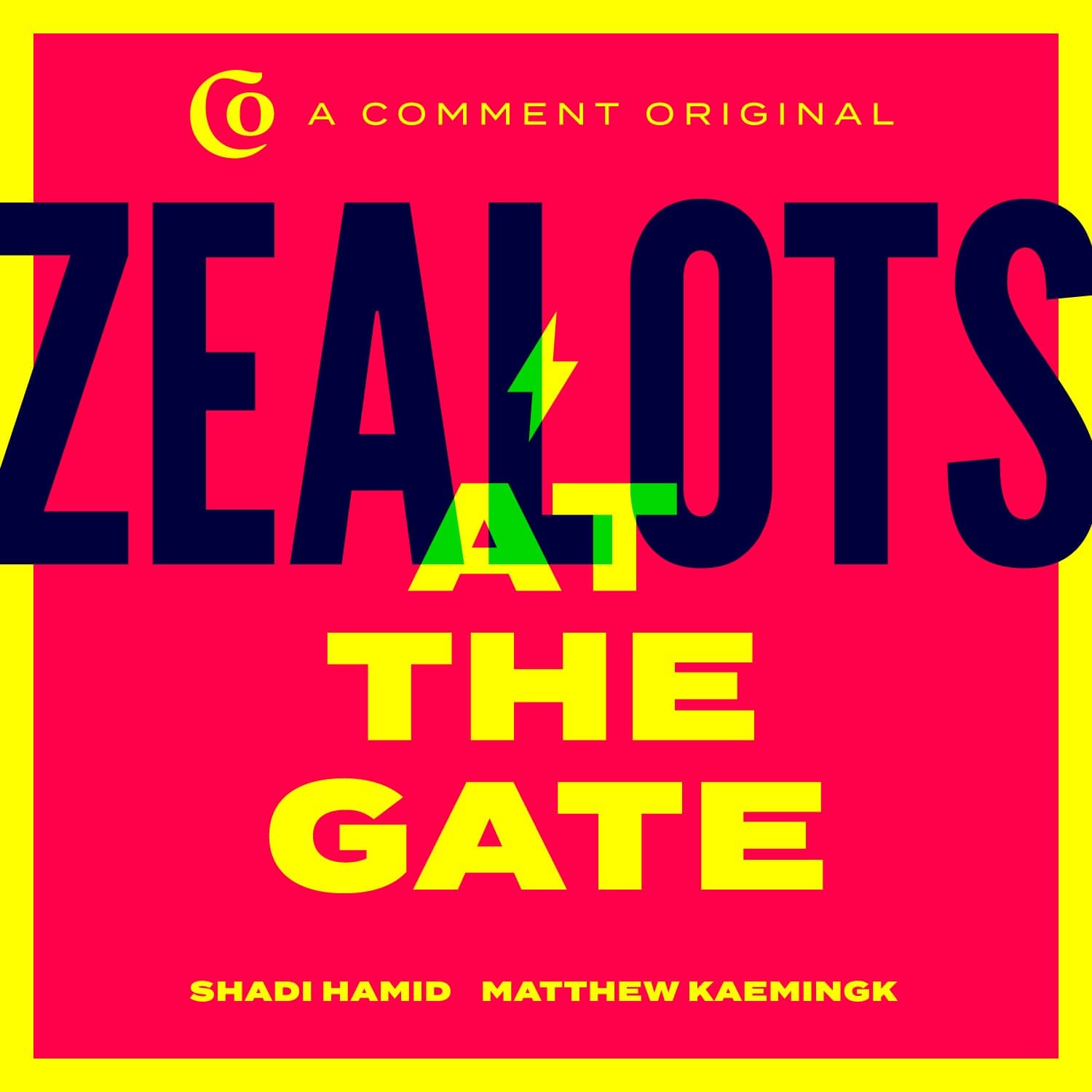
Muslim political thinker Shadi Hamid and Christian theologian Matthew Kaemingk interrogate the future of democracy and the role of religion—charting out a new paradigm for navigating difference.
ALL EPISODES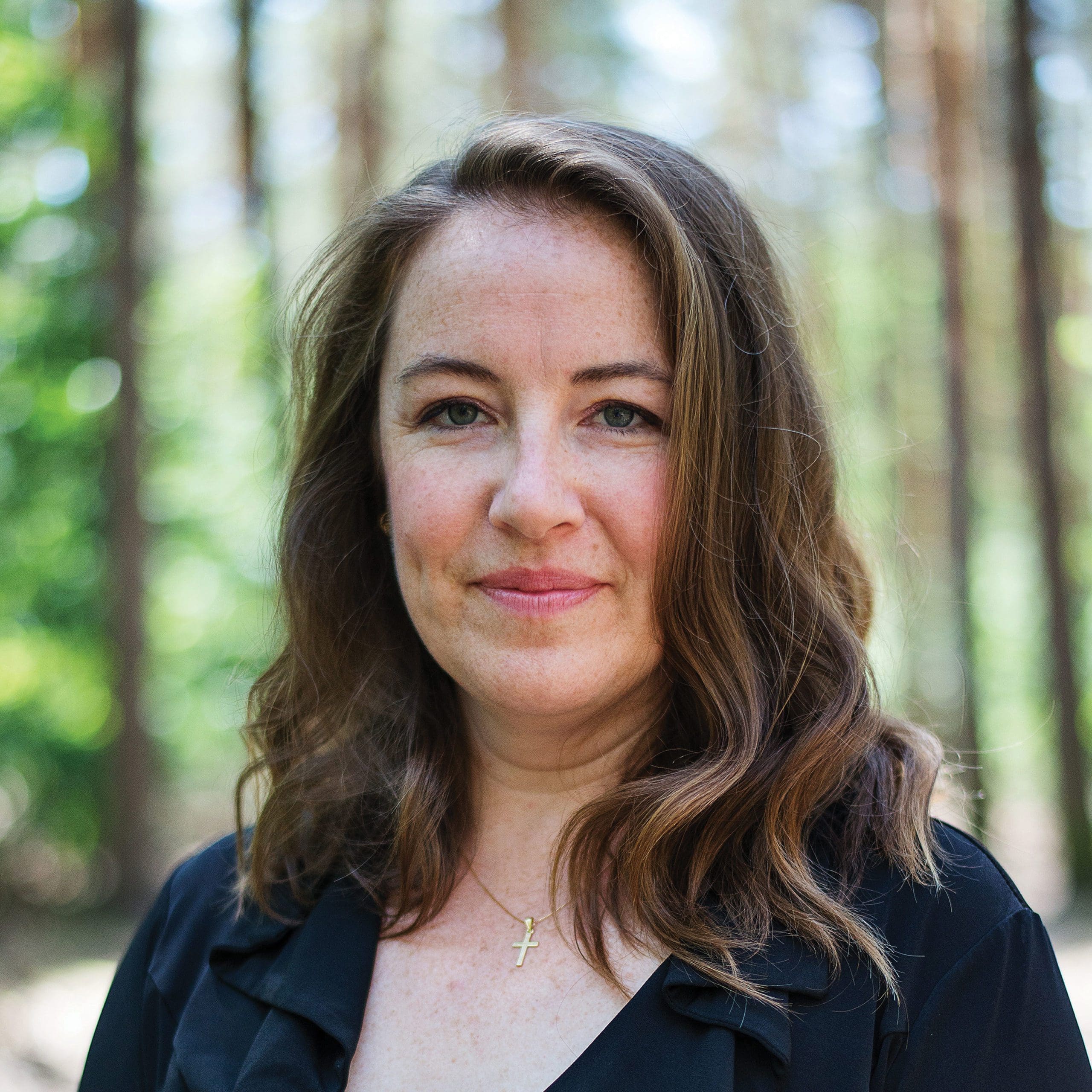
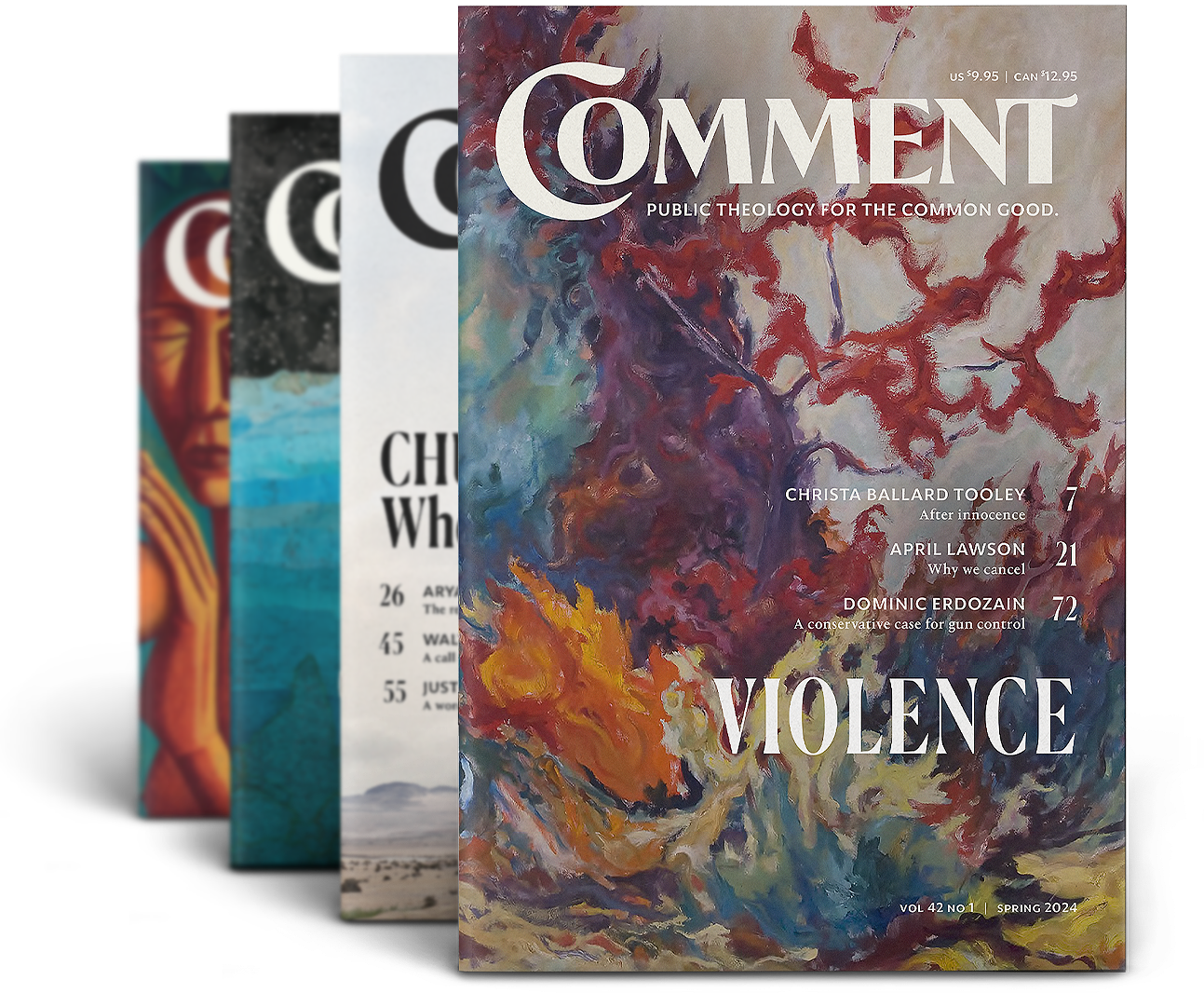
Receive our print magazine and get instant digital access to our current issue and our entire archive. Listen to longform essays, bookmark articles, save your reading location, and more.
BEST OF COMMENT
Join readers who receive fresh, thought-provoking articles once a week right in their inbox.
Sign-up for our weekly newsletter. You can unsubscribe at any time. See our privacy policy for more details.
CONTRIBUTING EDITORS
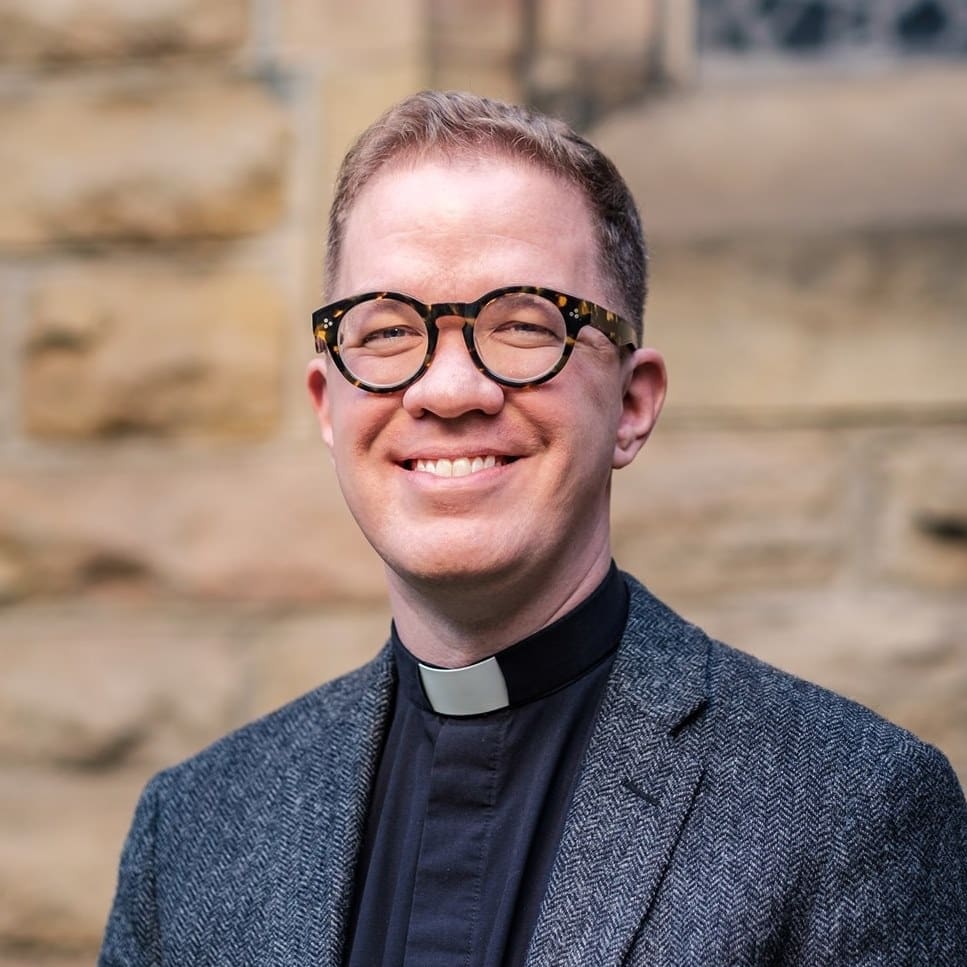 " />
" /> " />
" /> " />
" />Join readers who receive fresh, thought-provoking articles once a week right in their inbox.
Sign-up for our weekly newsletter. You can unsubscribe at any time. See our privacy policy for more details.
CONTRIBUTING EDITORS
 " />
" /> " />
" /> " />
" />