
“Now there was a man in Jerusalem, whose name was Simeon, and this man was righteous and devout… inspired by the Spirit, he came into the temple… and when the parents brought in the child Jesus… he took him up in his arms and blessed God.” —Luke 2:25-28
The Simeon Initiative, named after Simeon who bridged the Old and New Testaments, seeks to confront rising antisemitism in Canada. Christian leaders—clergy and lay—will work alongside Jewish counterparts to build a foundation of solidarity, mutual respect, and action against hatred. The Simeon Initiative originated in September 2024, when the Rev. Dr. Andrew Bennett, Director of Faith Community Engagement at Cardus, a Christian-led non-partisan think tank, launched the Canadian Christian Declaration on Antisemitism, which was signed by more than 700 Christian clergy from across Canada. This declaration serves as a foundational commitment to stand with the Jewish community in the face of rising antisemitism. The Simeon Initiative—a partnership between Cardus and the Centre for Israel and Jewish Affairs (CIJA)—launched at a two-day summit in summer 2025. Participants engaged in keynote presentations, expert panels, and roundtable discussions exploring antisemitism, relations between Christians and Jews, and concrete ways to foster solidarity at the most local level. The principal outcome of the summit was the launch of “The Year of Encounter”—a commitment by participants to initiate joint projects between churches and synagogues in their local communities, a phase which is currently ongoing throughout 2026.
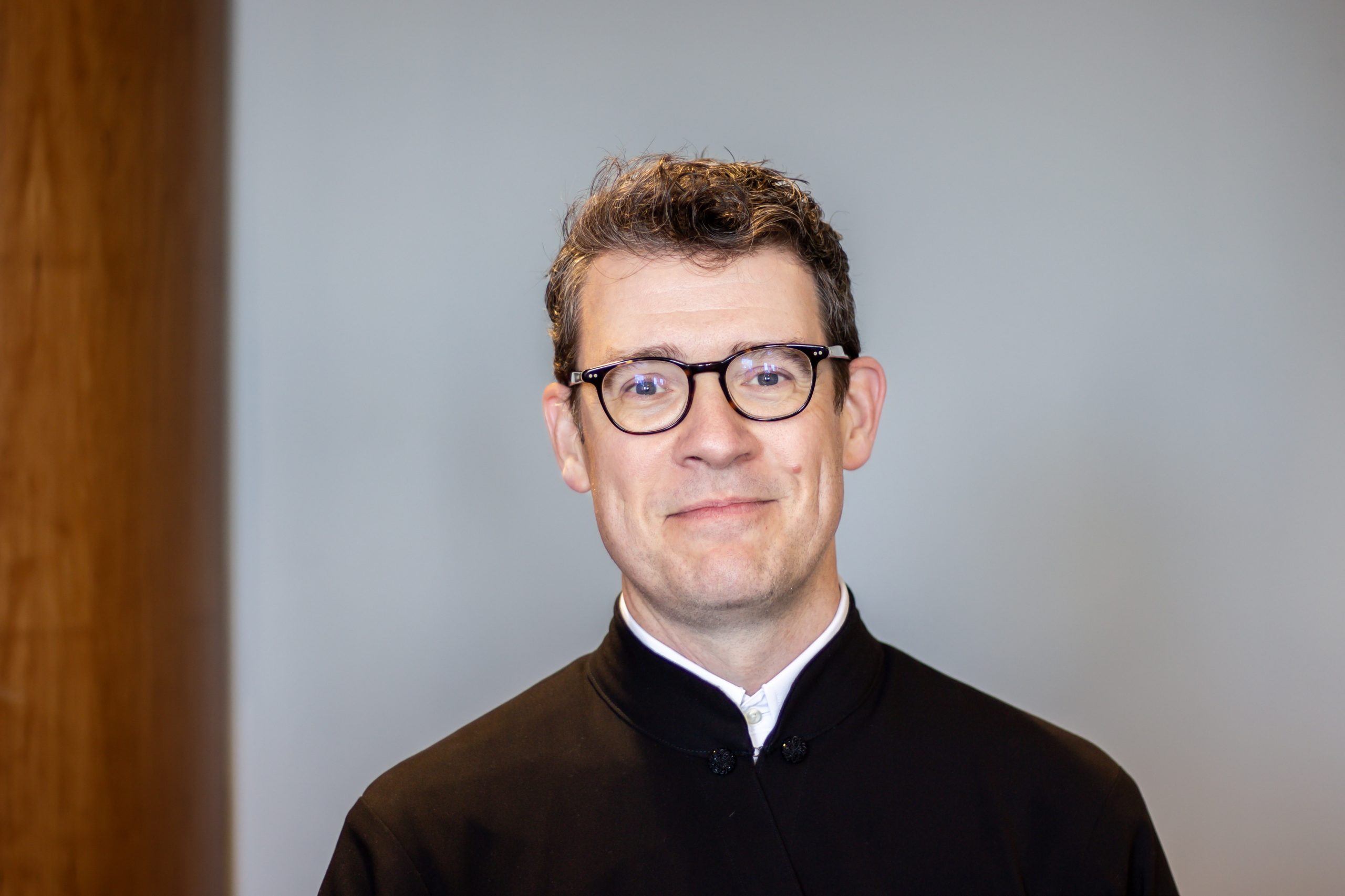
Father Deacon Andrew Bennett, Director of the Simeon Initiative
The Rev Dr. Andrew Bennett is a Senior Fellow at Cardus, leading our Simeon Initiative. A champion of religious freedom and public Christian faith domestically and internationally, Father Deacon Andrew served as Canada’s first Ambassador for Religious Freedom and led Global Affairs Canada’s Office of Religious Freedom from 2013 to 2016. He simultaneously served as Canada’s Head of Delegation to the International Holocaust Remembrance Alliance (IHRA). From 2016-2026, Father Deacon Andrew held various research and public-facing roles at Cardus, including founding Director of the Cardus Religious Freedom Institute, Programme Director of the Faith Communities research programme, and finally Director of Faith Community Engagement. In 2021, Cardus launched the Communio network for young Christian professionals under his leadership. In 2024, he founded the Simeon Initiative which brings together Jewish and Christian leaders in an authentic encounter to combat antisemitism in Canada.
In late April 2026, Fr. Dcn. Andrew assumed the role of Executive Director at Calgary’s Clear Water Academy, a leading Catholic independent school in western Canada. He holds the position of Senior Fellow at the Religious Freedom Institute in Washington, DC. He is an ordained deacon in the Ukrainian Greek-Catholic Church and serves at a Calgary parish.
What is the Simeon Initiative?
Learn more in this highlight video from our inaugural Simeon Summit, held in summer 2025.

Research
Christianity’s Decline and the Rise of Antisemitism in Canada
A Call for Unified Revival
September 10, 2025

Press Release
Cardus announces appointment of the Rev. Dr. Andrew Bennett as Senior Fellow and Senior Advisor for the Simeon Initiative
A good step for Cardus’s future and the future of Catholic education in Canada
February 17, 2026
Press Release
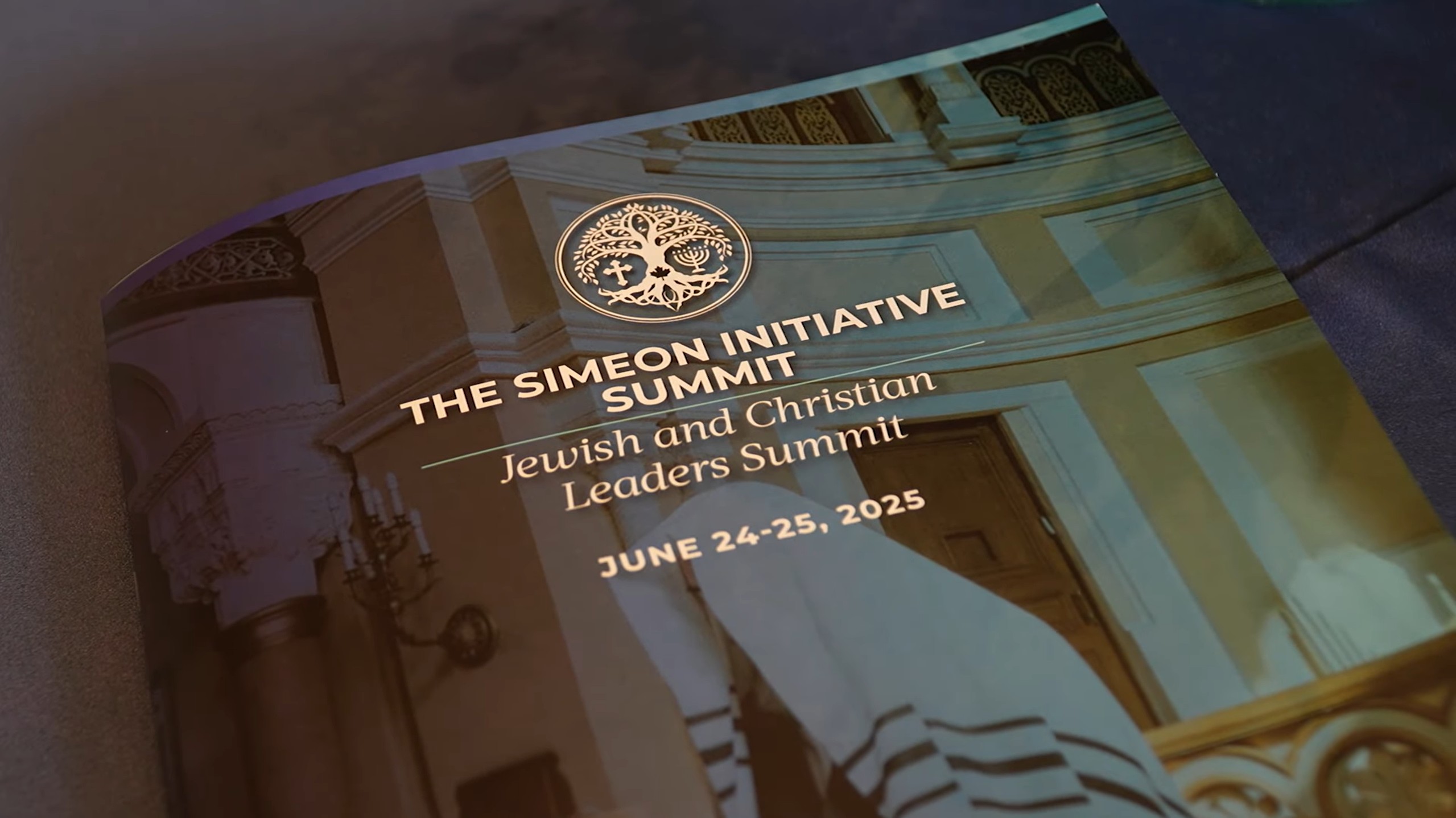
Faith Leaders Unite to Combat Antisemitism at Inaugural Simeon Initiative Summit
“In the face of growing antisemitism, Christian leaders must go beyond dialogue and take action,” said Rev. Dr. Bennett.
June 25, 2025
RESOURCES
GUIDEBOOKS FOR THE YEAR OF ENCOUNTER
Below are Program Guides for the Year of Encounter, each with a facilitators’ guide and ready-to-photocopy handouts.
Purpose
The guides intend to support Christian and Jewish congregations in their encounters with one another, by providing ready-to-use programs you can run with your Year of Encounter congregational partner. The goals are to engage congregants relationally, intellectually, and experientially; to build cross-communal relationships; and to learn from each other’s experiences.
What is The Year of Encounter?
Each program guide has the following structure:
- Confirmation of shared commitments
- Spiritual inspiration from both faiths
- A shared activity
- Reflection together
How to Use
We suggest that you select one facilitator from each congregation—clergy or engaged lay leaders—and those facilitators prepare together beforehand. Facilitators and/or clergy should feel free to add your own spin on the program guides, making them work for you. Print the handouts to use during the program. Programs are designed so that a participant can attend only one or up to all five. We hope these guides support you in creating meaningful encounters among your congregants and between your congregations.